 Impresión bajo demanda
Tiempo de despacho de pedidos es de 15 a 20 días hábiles, una vez confirmado el pago del pedido.
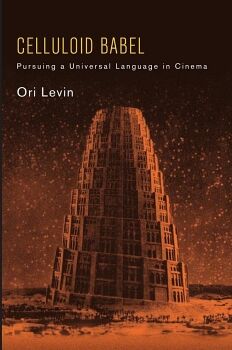
Traces the intellectual history of cinema's aspiration to create a universal language, examining how this vision has been articulated in both writings and films. Celluloid Babel offers a transnational intellectual history of cinema's quest for universal language, unfolding through both writings and films. Today, algorithms and data-collection systems play a significant role in predicting the viewer's preferences and suggesting content specifically tailored to their particular interests. However, this promise of on-demand personalized media is markedly different from the promise outlined in cinema's initial promotional discourse, which celebrated the medium s ability to appeal to a universal audience. Instead of targeting fragmented audiences, cinema was supposed to captivate and engage everyone all at once, regardless of social station, educational level, or national affiliation. The aspiration for a universal language left an indelible mark on film history, yet despite its significance, the history and theory behind it remain largely unexplored. Celluloid Babel illuminates a pivotal chapter in early film theory and establishes it as the inaugural paradigm of thought on cinema s nature. By exploring this pursuit, the book reveals the forgotten utopian potential of mass media and uncovers complex correlations among political ideals, aesthetic preferences, material conditions, modes of spectatorship, and governance.
 Impresión bajo demanda
 Impresión bajo demanda
 Impresión bajo demanda
 Impresión bajo demanda
 Impresión bajo demanda
 Impresión bajo demanda