 Impresión bajo demanda
AA.VV
Tiempo de despacho de pedidos es de 15 a 20 días hábiles, una vez confirmado el pago del pedido.
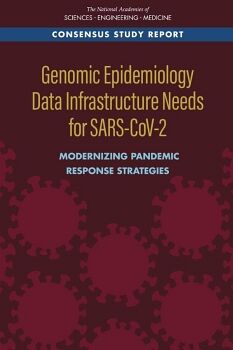
In December 2019, new cases of severe pneumonia were first detected in Wuhan, China, and the cause was determined to be a novel beta coronavirus related to the severe acute respiratory syndrome (SARS) coronavirus that emerged from a bat reservoir in 2002. Within six months, this new virus SARS coronavirus 2 (SARS-CoV-2) has spread worldwide, infecting at least 10 million people with an estimated 500,000 deaths. COVID-19, the disease caused by SARS-CoV-2, was declared a public health emergency of international concern on January 30, 2020 by the World Health Organization (WHO) and a pandemic on March 11, 2020. To date, there is no approved effective treatment or vaccine for COVID-19, and it continues to spread in many countries.Genomic Epidemiology Data Infrastructure Needs for SARS-CoV-2: Modernizing Pandemic Response Strategies lays out a framework to define and describe the data needs for a system to track and correlate viral genome sequences with clinical and epidemiological data. Such a system would help ensure the integration of data on viral evolution with detection, diagnostic, and countermeasure efforts. This report also explores data collection mechanisms to ensure a representative global sample set of all relevant extant sequences and considers challenges and opportunities for coordination across existing domestic, global, and regional data sources.
 Impresión bajo demanda
 Impresión bajo demanda
 Impresión bajo demanda
 Impresión bajo demanda
 Impresión bajo demanda
 Impresión bajo demanda